Děti, které neposedí: k čemu jsou fidget hračky
Některé děti prostě neposedí. Proč jim drobný pohyb v ruce pomáhá se soustředit, kdy fidget hračka zabere a kdy naopak ruší celou třídu.
Some kids just can't sit still. They rock on their chair, tap their feet, twirl their pencil, tear paper into tiny bits. And when you tell them to stop, a minute later they're doing something else.
This article is about why they do it and whether a fidget toy can really help.
What it actually is
To fidget means to wriggle and squirm. A fidget toy is anything small you can hold in your hand and quietly play with. Squeeze it, bend it, spin it, run your fingers over it.
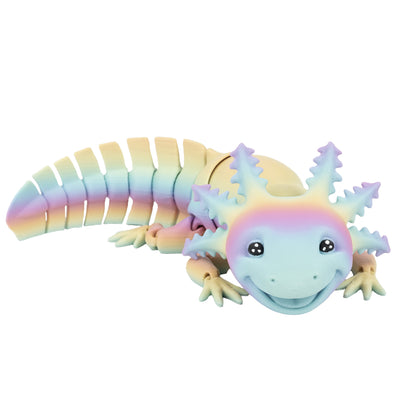
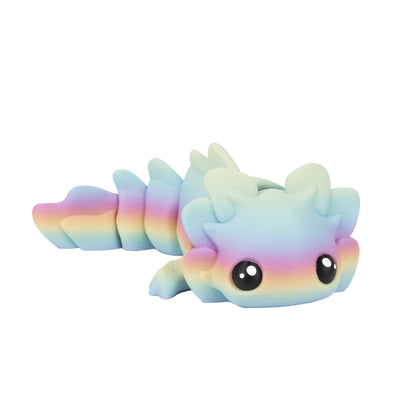
A few years ago, the best known were spinners. Today it's a wide category, from simple squeeze toys to flexi figures.
Why movement helps concentration
It sounds contradictory, but for some kids it works. A small, repetitive, effortless movement keeps busy the part of their attention that would otherwise go looking for other distractions.
Put simply: a child rubbing a bit of rubber in their hand listens better than one trying to sit perfectly still. The effort of keeping still takes up capacity on its own.
It doesn't apply to everyone. For some kids it doesn't help at all, and some start playing with it instead of working.
When a fidget toy helps
During homework, when a child needs to stay at the desk. While waiting, which is surprisingly hard for kids. In moments when they're upset and need to calm down. And for kids who bite their nails or pick at their skin, because it gives their hands something else to do.
When it gets in the way
When it's noisy. Anything that clicks or buzzes won't fly in a classroom, and the teacher will be right to take it away.
When it's too interesting. A fidget toy should be a little boring. As soon as it becomes something to really play with, it stops being a tool and turns into a toy.
And when it's new and everyone wants to look at it. The first few days are often worse than before.
What about school
Experiences vary. Some teachers welcome it, others ban it, and they have their reasons, because in a class of twenty-five kids one toy quickly turns into twenty-five.
The sensible thing is to agree on it in advance. When the teacher knows why the child has it, they usually go along with it. Especially if it's something quiet that fits in the palm of a hand.
And what about ADHD
Fidget toys are often linked to ADHD, and for some kids with this diagnosis they really do help. But they aren't a treatment and they don't replace professional care.
If you suspect there's more behind your child's restlessness than temperament, ask at school and talk to a specialist. A toy from an online shop won't answer that question.
What we offer
We make flexi figures that bend in dozens of places. For this purpose, the one people buy most often is our fidget spider, because it has eight legs and each one bends separately. It's quiet and fits in the palm of your hand as well as in a pencil case.
We print with PLA made from corn or potato starch, and we finish every piece by hand in our workshop. CE certified, suitable from age 3.
By the way, quite a lot of them end up with adults in offices.
Prev post
Dárek pro kluka 6 až 10 let: 12 tipů, které vydrží déle než týden
Updated on 11 October 2026
Next post
Dárky do 500 Kč: když chcete dítě potěšit o něco víc
Updated on 11 October 2026